Google Earth AI geospatial AI predicts disease spread before official data arrives
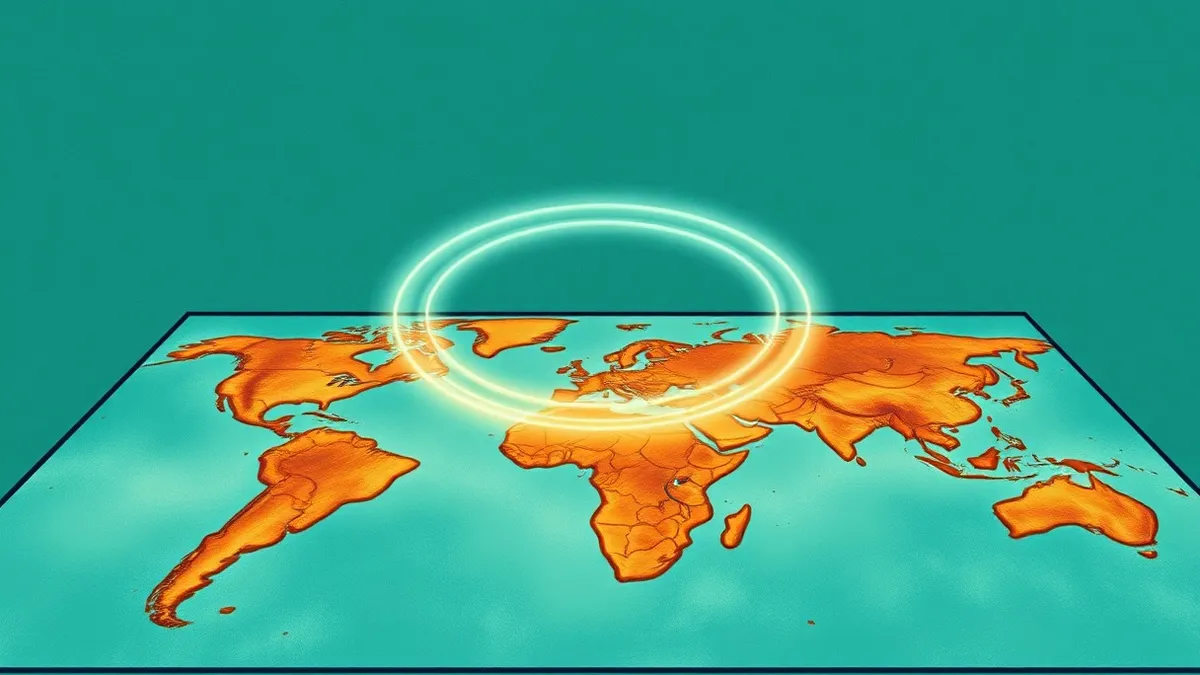
New research reveals how geospatial artificial intelligence enables proactive public health strategies by predicting disease spread before official data arrives.
Key points
- Google is deploying Earth AI to assist health leaders in forecasting disease outbreaks.
- The technology aims to overcome significant delays inherent in traditional disease reporting.
- The initiative focuses on delivering timely care to vulnerable communities at risk.
Google has published first-hand research detailing the application of Earth AI in global public health. The technology is designed to help health leaders anticipate disease outbreaks and direct resources to vulnerable populations more effectively.
What happened
According to research published by Google, the company is utilising its Earth AI capabilities to support public health infrastructure. The primary objective is to assist health leaders in overcoming the inherent lags associated with traditional disease reporting systems. By analysing data through this artificial intelligence framework, health officials can generate forecasts regarding disease spread.
This allows for a more proactive approach to public health management rather than reacting after outbreaks have already been confirmed and reported. The research highlights Google’s role in providing the technical foundation for these predictive models, enabling a shift towards anticipation in health crisis management.
Why it matters
For CISOs and IT managers overseeing health sector operations, the integration of AI into public health workflows presents both opportunities and operational shifts. Traditional disease surveillance often suffers from reporting delays, which can hinder timely intervention. By bypassing these delays, organisations can potentially reduce the impact of outbreaks on vulnerable communities.
The ability to forecast disease spread means that care and resources can be deployed earlier, improving outcomes for those at risk. This application of geospatial AI underscores the growing importance of data-driven decision-making in critical infrastructure and public service delivery, requiring robust data handling and privacy considerations.
Next steps
- Review current disease surveillance data pipelines for potential integration with AI forecasting tools.
- Assess the operational capacity to act on early warnings generated by predictive models.
- Evaluate data privacy and security protocols when implementing new health AI technologies.
- Engage with health authorities to understand how AI-driven forecasts can complement existing reporting mechanisms.
What to do and how to stay safe: Google
- Default router interfaces often lack authentication, allowing local devices to reconfigure network rules.
- WPA3 encryption prevents offline dictionary attacks that older WPA2 protocols cannot stop effectively.
- Guest networks provide isolation, ensuring compromised visitor devices cannot access sensitive main network resources.
Step-by-step guide: Wifi router security: Stop hidden admin access from leaking data
General security guidance from the Packet Tribune newsroom. It is not confirmed advice from the organisations named in this story.
Frequently asked questions
How does Google Earth AI assist in disease management?
It helps health leaders overcome reporting lags and forecast disease outbreaks to deliver care to vulnerable communities.
What is the main problem this technology addresses?
The technology addresses the delays in traditional disease reporting that can slow down public health responses.
Who benefits from this AI application?
Health leaders and vulnerable communities benefit from more proactive disease forecasting and earlier care delivery.