
Data Breaches
Password Hygiene Checklist: 20 Checks for Secure Credential Management
Most credential theft occurs not through complex cracking but via reused passwords and unsecured local storage on compromised endpoints.
Data Breaches coverage from Packet Tribune holds 15 articles, 14 of them reference guides. The newest was published on October 14, 2026. New stories are added as soon as they are confirmed, from more than 150 sources checked as often as every 45 seconds. Each story lists its sources. Primary sources we follow for this section include FTC: Data Breach Response, A Guide for Business and Have I Been Pwned.
Most credential theft occurs not through complex cracking but via reused passwords and unsecured local storage on compromised endpoints.

Database security fails when teams secure the perimeter but leave internal query logic exposed to logic flaws and privilege escalation.

Default cloud storage settings often publish data to the global internet, turning internal repositories into searchable archives for anyone with a search engine.

Attackers assemble fragmented public posts into precise profiles that bypass multi-factor authentication and reveal physical security weaknesses.

Publicly visible data remains protected by intellectual property rights and computer misuse laws, meaning accessibility does not equal permission to harvest or reuse information.

Organisations often misclassify data by focusing on format rather than context, leading to unprotected assets that regulatory frameworks explicitly require securing.
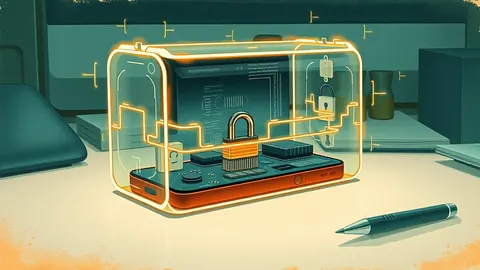
A mobile device management system enforces policy at the operating system level, preventing data loss even when users ignore security warnings or lose their phones.
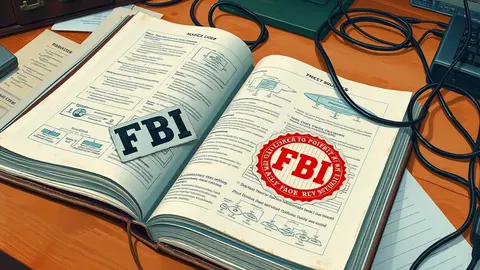
The FBI has charged a specialist in cyber extortion, who recently published a guide on handling such incidents, as part of an active probe into website hacking.

Doxxing shifts from harassment to criminal liability when it enables physical harm or facilitates further unauthorized access to restricted systems.

Most data breaches stem from misconfigured systems rather than sophisticated hacking, meaning administrative discipline often matters more than advanced defensive tools.

Monitoring detects the misuse of credentials long before fraud occurs, allowing you to revoke access while your assets remain untouched.

Your encryption is only as secure as the administrative process that creates, stores and retires the cryptographic keys that protect your data.
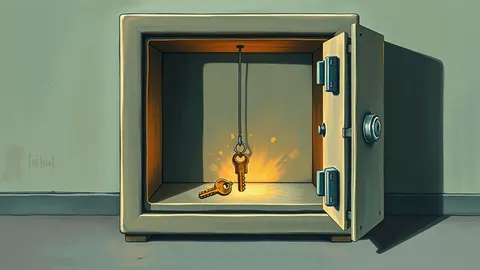
Encrypting stored data stops thieves from reading files, but it fails to protect your information once the system is running and the keys are in memory.

Least privilege is not a static list of denied permissions but a dynamic constraint that limits the blast radius of accidental data disclosure and credential leaks.

Small firms face disproportionate risk from credential leaks because attackers automate attacks against weak entry points that cost almost nothing to secure.