Identity Theft Scheme Targets US Servicemembers and Veterans
US citizen Robert Boling pleaded guilty to fraud, exploiting stolen military PII to drain bank accounts and benefits.
Key points
- Robert Wayne Boling Jr pleaded guilty to wire fraud and money laundering conspiracy charges.
- Co-conspirator Fredrick Brown stole personally identifiable information from US Army records.
- The scheme targeted thousands of servicemembers and veterans, stealing funds and benefits.
Robert Wayne Boling Jr has pleaded guilty to orchestrating a fraud scheme that stole from thousands of US servicemembers and veterans. The operation relied on stolen personally identifiable information obtained by an insider.
What happened
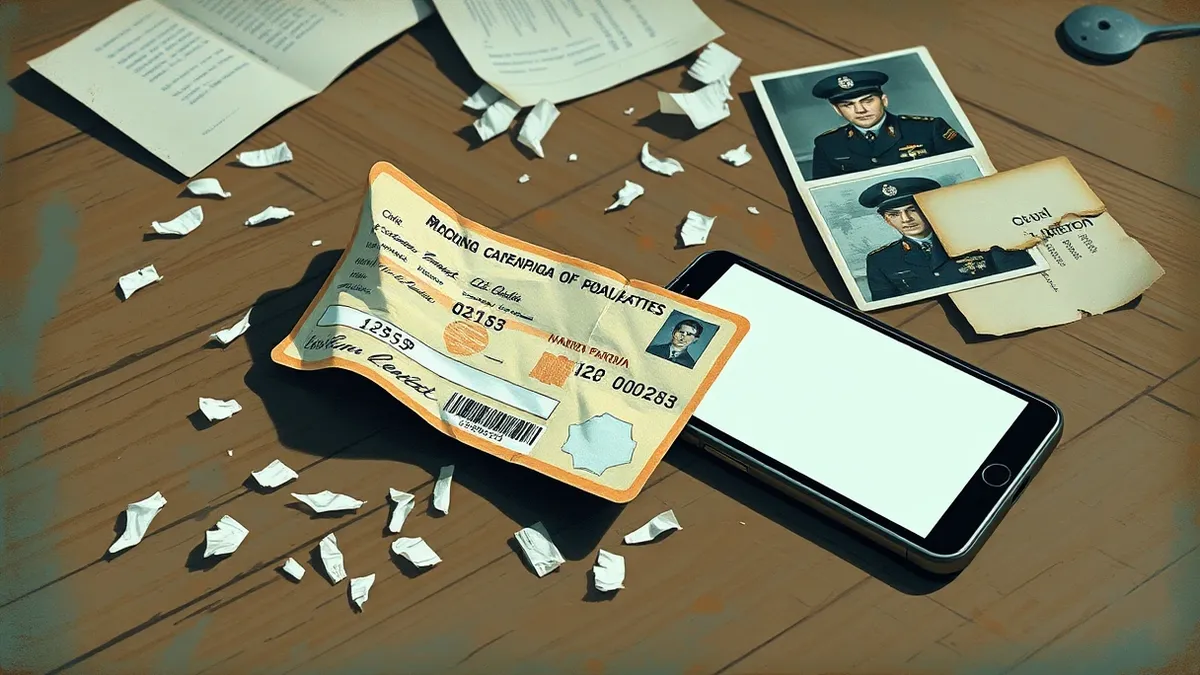
Robert Wayne Boling Jr, a 45-year-old US citizen who resided in the Philippines, pleaded guilty to conspiracy to commit wire fraud and money laundering, according to the US Department of Justice. Court documents state Boling exploited stolen personally identifiable information to compromise bank accounts and steal veterans’ benefits. Fredrick Brown, a civilian medical records administrator for the US Army in South Korea, provided the stolen data after taking digital photographs of military records.
Boling worked with a network of money mules in the United States who deposited stolen funds into their accounts and remitted portions to the Philippines. Boling was deported from the Philippines to the United States in May to face charges, according to official advisory text. He is scheduled to be sentenced on 14 January 2027 and faces a maximum penalty of 20 years in prison for each charge. Co-conspirators Fredrick Brown and Trorice Crawford previously pleaded guilty and were sentenced to 151 and 46 months in prison respectively. Jongmin Seok and Allan Albert Kerr remain fugitives.
Why it matters
The scheme demonstrates how insider access to sensitive personnel records can enable large-scale identity theft. Thousands of military-affiliated individuals, including elderly and disabled veterans, had their bank accounts and government benefits compromised. The Department of Defense Office of Inspector General Defense Criminal Investigative Service is investigating the case alongside the US Postal Inspection Service and other agencies. Prosecutors described Boling as the principal orchestrator of the fraud ring. The Justice Department stated the plea shows it will pursue those who prey on servicemembers regardless of scheme sophistication.
Next steps
- Monitor account activity for unauthorised transfers or benefit claims.
- Verify identity of anyone requesting sensitive personal data.
- Review bank statements for deposits from unknown sources.
- Report suspicious activity to financial institutions immediately.
Detection notes
Security teams should monitor for unusual access patterns to sensitive personnel databases, particularly from accounts with administrative privileges. Look for bulk data exports or printing activities that deviate from normal job functions. In financial environments, watch for rapid movement of funds to multiple accounts or transfers to high-risk jurisdictions. Containment typically involves disabling compromised credentials and freezing affected financial accounts to prevent further loss. Teams should also check for lateral movement indicators in network logs following initial data exfiltration events.
Background: Sensitive personal data
Sensitive personal data requires specific legal protections because its misuse causes significant harm. You must identify it through context, not just file names. Apply strict access controls, encrypt storage and transit, and monitor logs. This prevents unauthorised exposure and ensures compliance with data protection laws.
Read the full guide: Sensitive Personal Data: Classification, Risks and Control Strategies
What to do and how to stay safe: identity theft
- Review recent bank statements for unauthorised transactions or unfamiliar deposits.
- Check credit reports for new accounts or inquiries you did not initiate.
- Contact your bank if you notice any suspicious activity or recognise stolen funds.
- Keep personal identification documents secure and shred sensitive paperwork.
Step-by-step guide: How to Prevent Account Takeover: The Technical Controls That Actually Work
General security guidance from the Packet Tribune newsroom. It is not confirmed advice from the organisations named in this story.
Frequently asked questions
Who is Robert Wayne Boling Jr?
He is a 45-year-old US citizen who pleaded guilty to wire fraud and money laundering conspiracy for targeting servicemembers.
How was the personal data stolen?
Fredrick Brown, a US Army medical records administrator in South Korea, took digital photographs of the records.
What is the maximum penalty for Boling?
He faces a maximum of 20 years in prison for each of the two conspiracy charges.