Android Automotive is full OS; Google Built-In is app suite, affecting vehicle hardware integration depth
Engadget clarifies the functional divide between the operating system framework and the proprietary app suite used in modern vehicles.
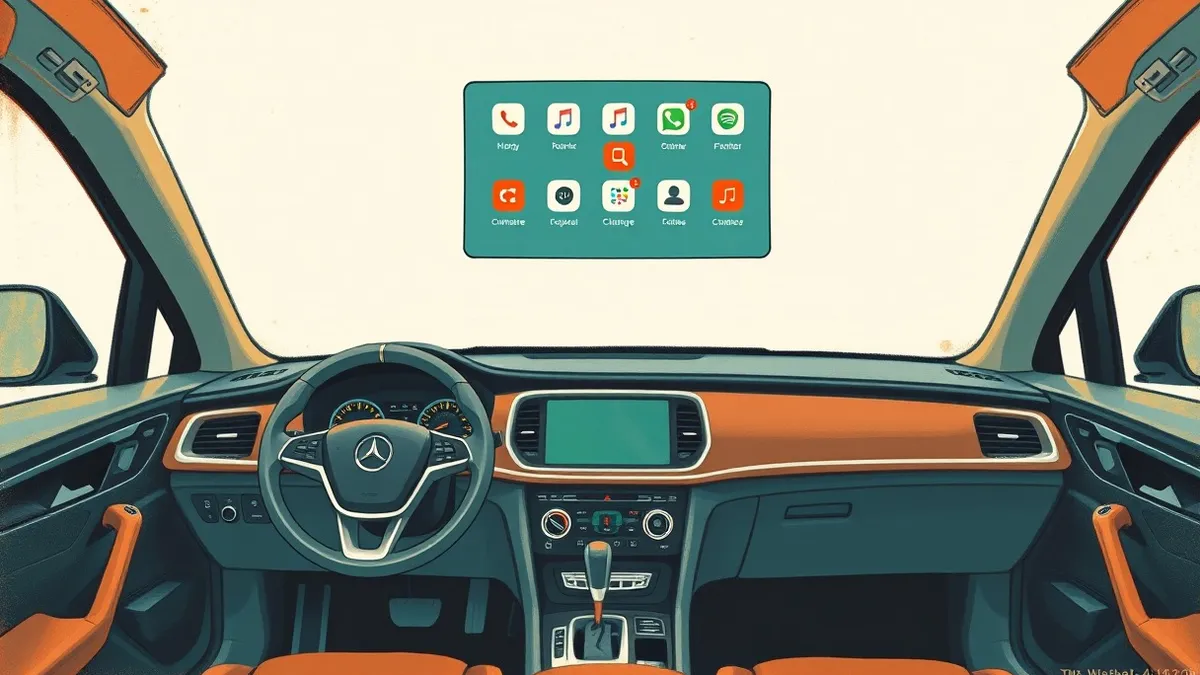
Key points
- Android Automotive is a comprehensive operating system capable of running nearly all vehicle functions.
- Google Built-In consists primarily of a specific set of applications rather than a full OS.
- The distinction affects how deeply Google services integrate with the car's hardware and software.
Engadget published an explainer detailing the technical differences between Android Automotive and Google Built-In systems. The report highlights that one platform is a complete operating system while the other is merely an application layer.
What happened
Engadget published a report clarifying the technical distinction between Android Automotive and Google Built-In. According to the outlet, Android Automotive is a full operating system that can run almost everything inside a car. In contrast, Google Built-In is described as a set of apps. This difference determines the level of control and integration available to manufacturers and drivers. The report aims to help consumers understand the underlying technology powering their vehicle infotainment systems.
Why it matters
The distinction between these two platforms impacts system capabilities and user experience. Android Automotive offers deeper integration with vehicle hardware and functions. Google Built-In provides a familiar interface but relies on the host vehicle's existing operating system. This affects how features like navigation, voice commands, and app updates are managed. Understanding this difference helps IT managers and consumers evaluate vehicle technology stacks. It also informs decisions regarding software maintenance and security patching.
Next steps
- Review vehicle specifications to identify the installed platform.
- Consult manufacturer documentation for software update procedures.
- Monitor vendor announcements for compatibility changes.
- Assess integration requirements for fleet management tools.
What to do and how to stay safe: Android Automotive
- Verify which system your vehicle uses by checking the manufacturer's official specifications or user manual.
- Ensure the infotainment system receives regular software updates to maintain compatibility with supported applications.
- Review privacy settings within the connected services to control data sharing between the vehicle and cloud services.
- Monitor official vendor channels for announcements regarding end-of-life support or major platform migrations.
Step-by-step guide: Wifi router security: Stop hidden admin access from leaking data
General security guidance from the Packet Tribune newsroom. It is not confirmed advice from the organisations named in this story.
Frequently asked questions
What is the main difference between Android Automotive and Google Built-In?
Android Automotive is a full operating system that can run almost everything inside a car, while Google Built-In is a set of apps.
Which system offers deeper vehicle integration?
Android Automotive offers deeper integration as it can run almost everything inside the car according to Engadget.
Is Google Built-In an operating system?
No, Google Built-In is described as a set of apps rather than a comprehensive operating system.