Tech News
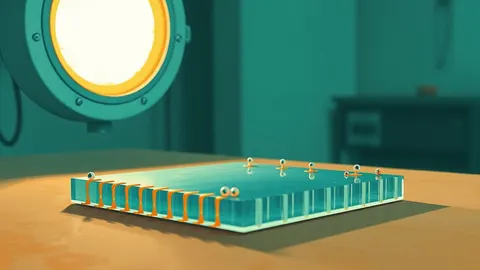
Oxygen Stops Misplaced Crystals in 2D Semiconductors, Targeting 2030 Chip Adoption
Scientists demonstrate how oxygen prevents misplaced crystal formation in two-dimensional semiconductors, aiming for commercial chip adoption by 2030.
Scientists demonstrate how oxygen prevents misplaced crystal formation in two-dimensional semiconductors, aiming for commercial chip adoption by 2030.
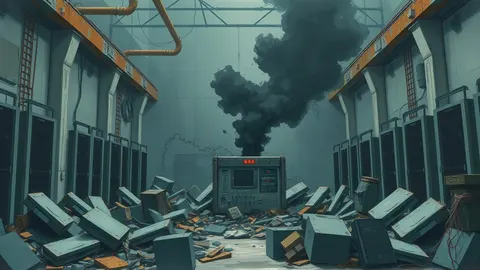
Network telemetry reveals an immediate and sharp decline in automated traffic from Yandex’s AS13238 following a reported physical attack on its infrastructure.
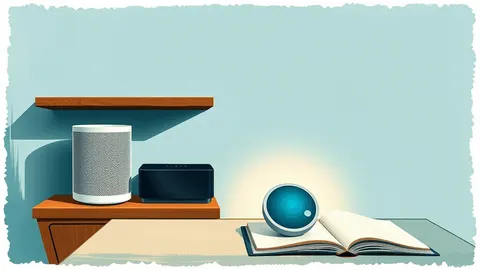
Bloomberg reports Apple will launch a HomeView display hub alongside a new HomePod Mini and updated Apple TV this autumn.

ArtCraft releases free, open-source alternatives to Excel, Word, and PowerPoint, challenging subscription-based productivity software models.
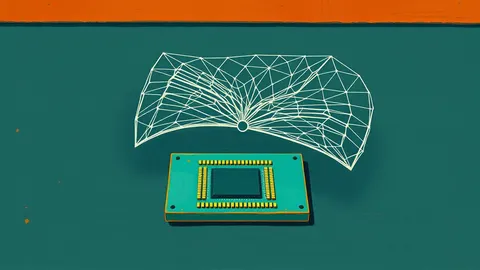
The Linux kernel now offers a software mitigation for AMD Zen processors lacking the specific microcode update for TLBI Erratum 1718.
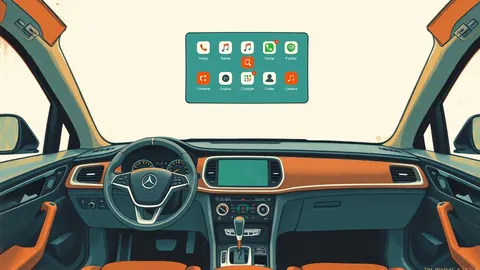
Engadget clarifies the functional divide between the operating system framework and the proprietary app suite used in modern vehicles.
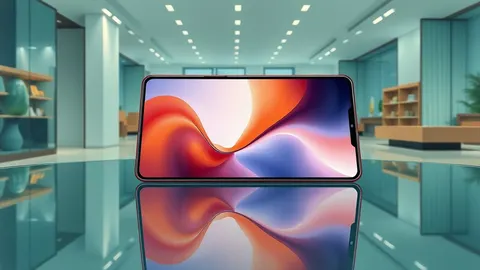
Apple is preparing major in-store demo experiences for its first foldable iPhone, the iPhone Duo, ahead of its imminent release.

NVIDIA confirms the launch of Gears of War: E-Day on its cloud platform, featuring RTX-powered graphics and upcoming Fire TV membership options.
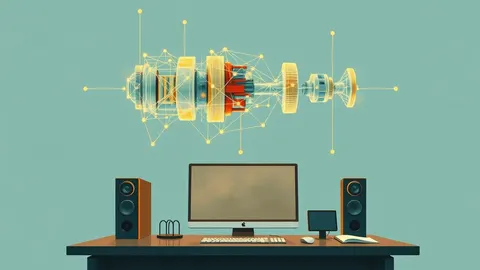
Developers use frontier AI models with NVIDIA Omniverse libraries to automate asset assembly and physics checks in simulation workflows.

The shell translates human commands for the kernel, creating a security boundary that fails when privilege escalation bypasses the interface.
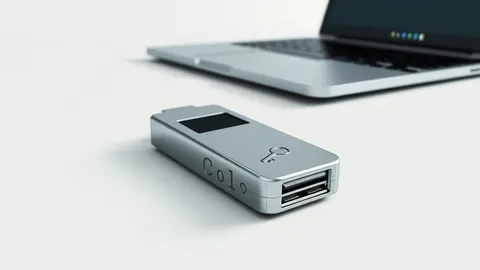
Code signing prevents tampering but does not verify that the signed code is safe or free from vulnerabilities.

A profile reveals how a secretive solo investor provided initial capital to high-profile startups including Ramp, Cognition, and Applied Compute.

The new electric vehicle features a digital cockpit that mimics classic instrument displays, serving as the successor to the popular ID.4 crossover model.
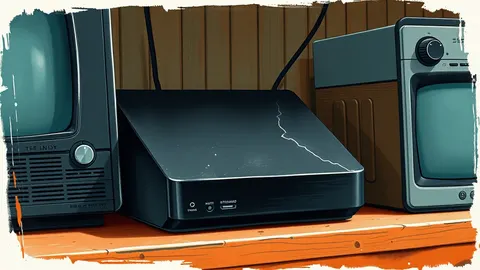
The 2017 Apple TV 4K joins the vintage list, meaning spare parts are limited and direct hardware repairs may soon cease.

PitchBook data reveals a record number of startups reached $10 billion valuations in 2026, significantly accelerating the timeline from launch.

EU regulatory filings reveal Apple has acquired Huxe, marking its fourth disclosed AI-related deal this year and highlighting a continued push into generative artificial intelligence.
AES relies on substitution-permutation networks rather than simple key swapping, making it resistant to most linear cryptanalysis methods used against older ciphers.
Misconfigured zero trust policies often block legitimate automation before they stop actual threats, creating silent operational gaps that auditors miss.
RSA’s mathematical hardness does not guarantee security when implementation flaws, poor key management, or algorithmic misuse expose private data to trivial extraction.
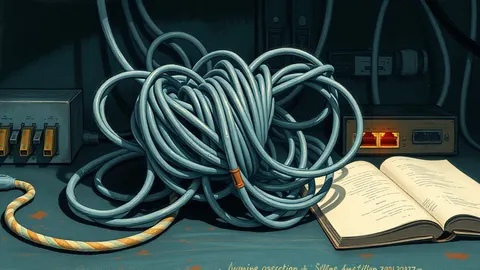
Incorrect DNSSEC deployment often causes service outages by generating cryptographic proof of non-existence for valid records, silencing your domains rather than securing them.
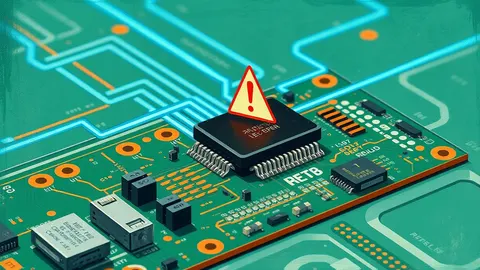
The hardware root of trust measures your system before booting, creating a cryptographic chain that halts startup if any component fails verification.
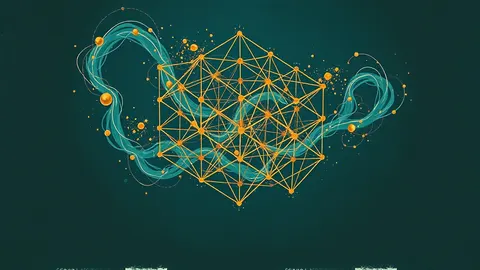
Post-quantum cryptography relies on mathematical structures that quantum computers cannot simplify, ensuring data remains secure even when processing power scales exponentially.
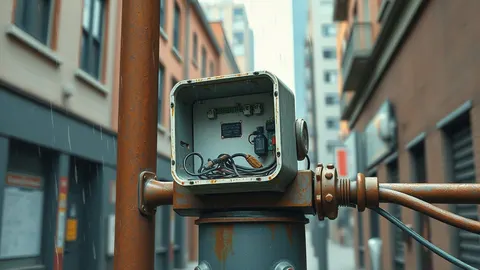
Moving workloads to the edge fragments your defensible perimeter, forcing you to manage thousands of unattended devices with physical access risks.

Full disk encryption transforms stolen hardware into useless metal by rendering the underlying data unreadable without the correct cryptographic keys, regardless of physical access.